Category Archives: Toxic Chemical Recovery

A Smarter Approach to a Complex Environmental Challenge

Pharmaceutical Cleanup Pump

A CLEANUP YEARS IN THE MAKING

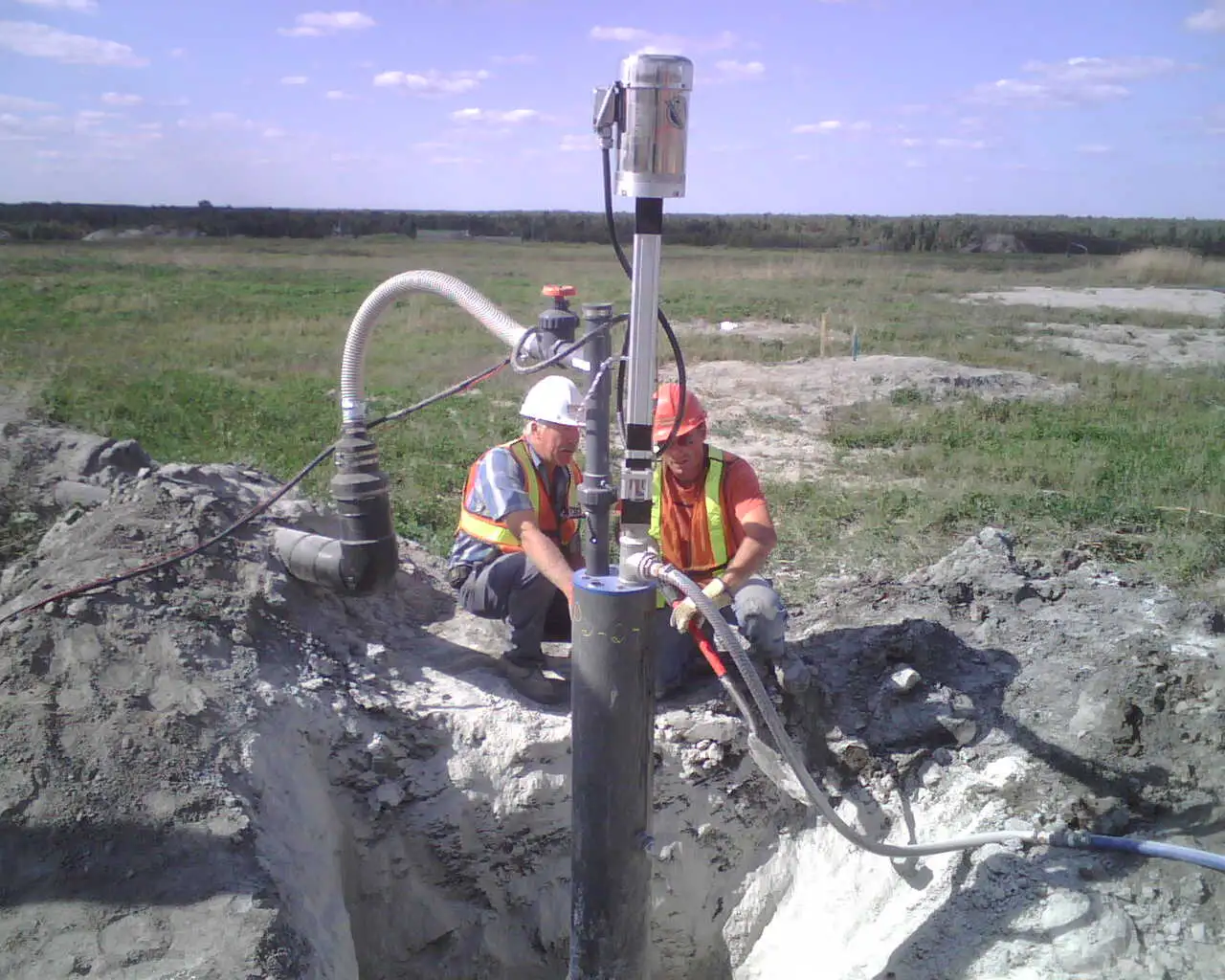
At a former pharmaceutical manufacturing site in the United States, decades of industrial activity left behind significant environmental concerns. Even after manufacturing at the facility had ceased several years earlier, impacted groundwater and soil remained, requiring extensive remediation efforts.

Remediating this property involved several corrective actions to address contaminated groundwater and other similarly affected areas. Groundwater treatment would also continue well after cleanup efforts were completed as part of long-term stewardship of the site.

In one portion of the project, the challenge became even more significant: affected groundwater and NAPL needed to be removed through a specialized horizontal well at a low pumping rate. That meant finding the right equipment suited to the precise well configuration and capable of delivering the steady, controlled pumping the application required.
At a former pharmaceutical manufacturing site in the United States, decades of industrial activity left behind significant environmental concerns.

Scotch & Solar: An Off-Grid Landfill Solution

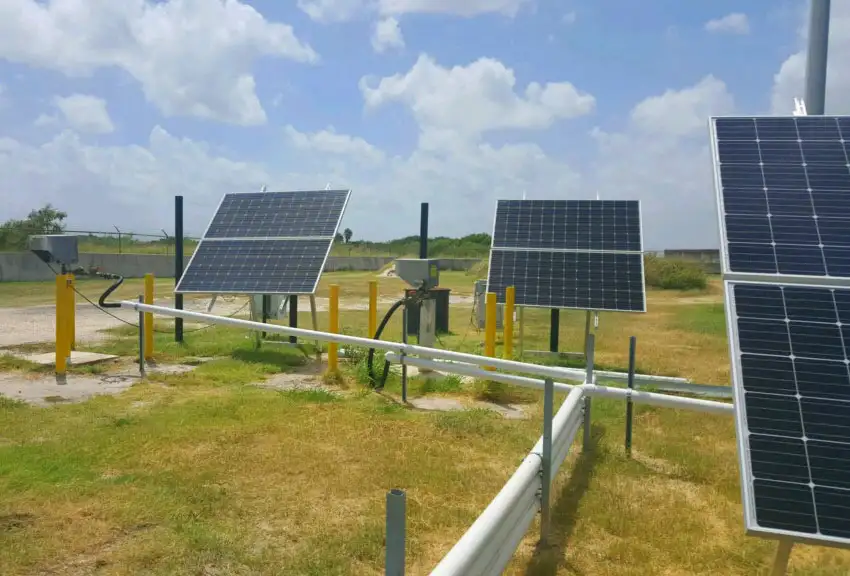
Three solar panels installed outdoors on grassy land, tilted to capture sunlight, with some utility poles and piping visible, under a partly cloudy blue sky.

An Argument for the Most Versatile Combo in Environmental Pumping

It’s simple, dependable, cost-effective, portable, versatile, durable and moves virtually anything that flows. Three ingredients: 1) The “old-reliable” piston-pump downhole, 2) the top-head driver (with only four moving parts) and 3) the solar panel.

The combination is increasingly being used at landfills, toxic-remediation sites, biogas and pipeline condensate operations, coal-ash and coal-tar recovery zones, petrochemical plants, remote/closed sites and for other applications benefitting from low-flow, controlled pumping not served by trenched power.

It’s simple, dependable, cost-effective, portable, versatile, durable and moves virtually anything that flows. Three ingredients: 1) The “old-reliable” piston-pump downhole, 2) the top-head driver (with only four moving parts) and 3) the solar panel.

Electric Power Solves a Toxic Recovery Problem

anchor pumping toxic chemicals

New-model Anchor Electric pump boosts hydrocarbon-removal 17% at old MW chemical plant

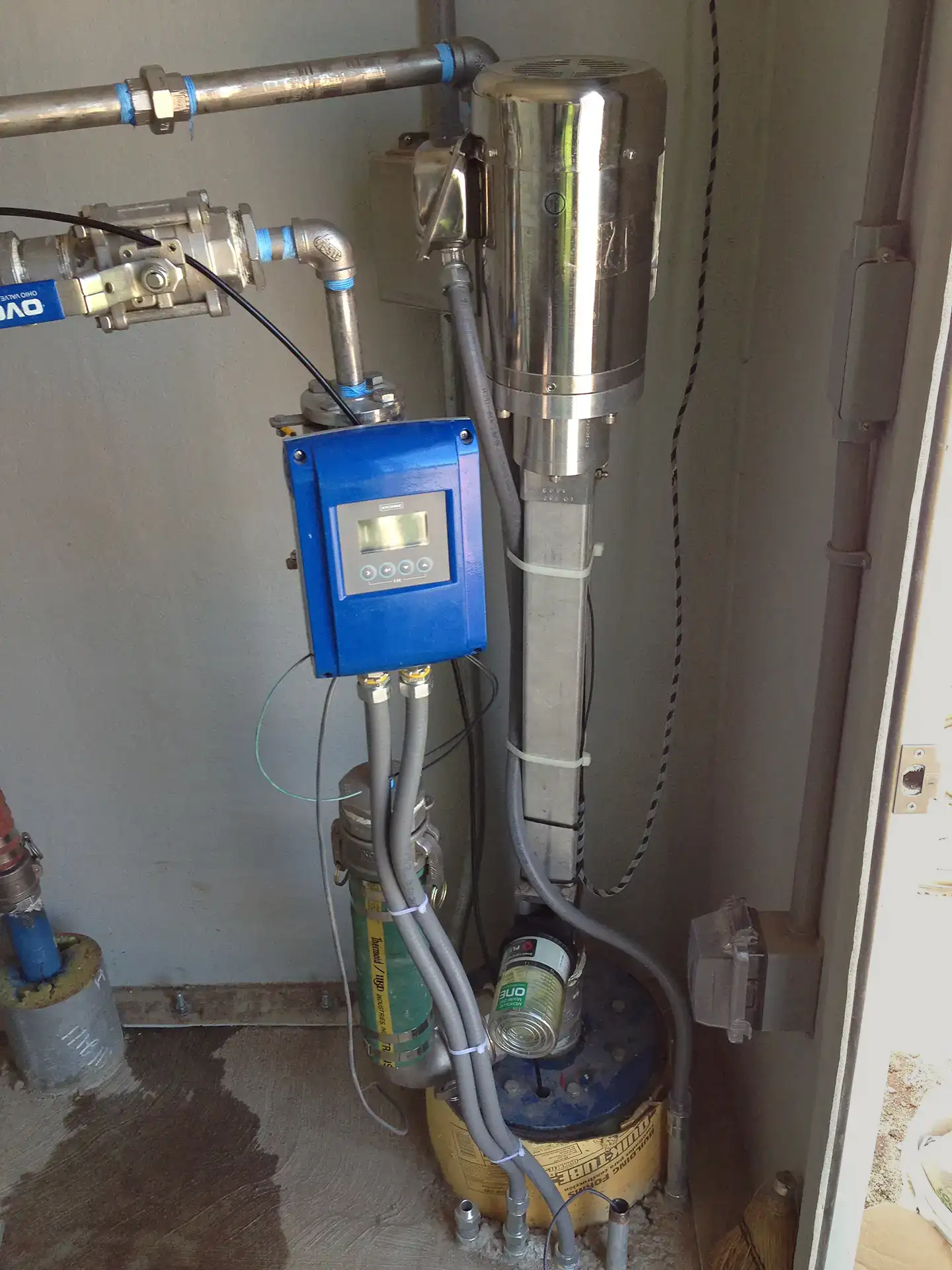
Blackhawk Technology’s latest-generation Anchor Electric Piston Pump®, installed to remove toxic hydrocarbons at a former industrial chemical-processing plant in the Midwest, has improved flow rates there by more than 17 percent, according to the project manager.

The new Anchor replaces a sturdy, older Blackhawk electric unit that had been serving for more than 10 years at the site. And although pleased with the long-term results of the older pump, the manager decided to upgrade.

New-model Anchor Electric pump boosts hydrocarbon-removal 17% at old MW chemical plant.

V-2 Low-Flow Pneumatic Pump Excels in Tar Recovery

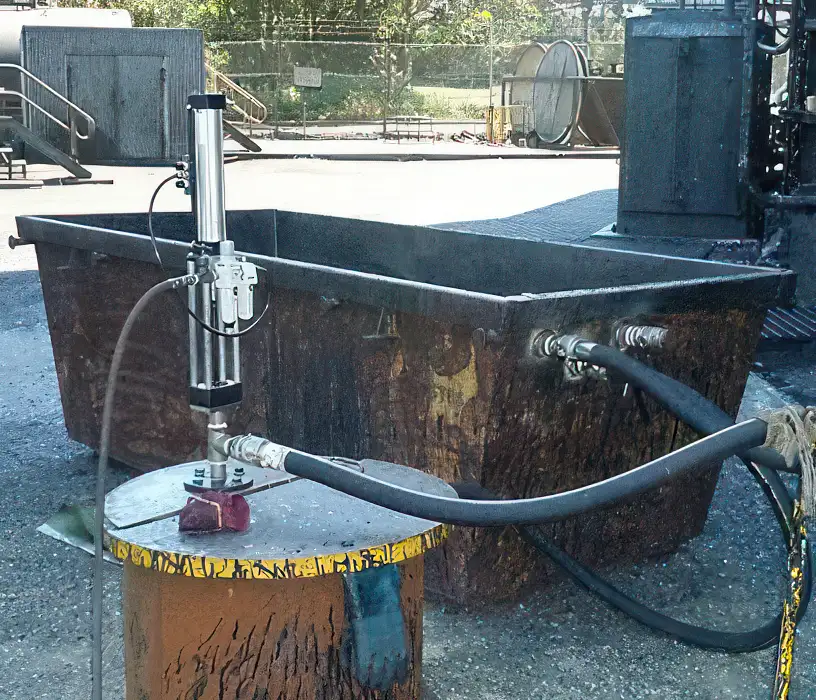
Industrial site with machinery and tools. A metal container with hoses and a hydraulic tool, including a top-head drive pump, is in the foreground. A larger tank is situated behind the container, with various pipes and industrial equipment visible in the background.

Aussie steel plant: ‘performed exactly as we hoped’

In 2015, engineers at an Australian steel plant works discovered tar in an environmental-monitoring bore.

As part of the investigation and plan for remediation, the company put in a 2-foot diameter, 12-foot-deep well, topping it with a modified-extended version of Blackhawk’s versatile V-2 Pneumatic Piston Pump™ later in the year.

The engineers decided to link the discharge hose to a skip bin (dumpster), with an overflow hose for ground water return to the well. When filled, the bin is emptied using a vacuum truck. The tar is then taken to the company’s recycling plant.

In 2015, engineers at an Australian steel plant works discovered tar in an environmental-monitoring bore.

As part of the investigation and plan for remediation, the company put in a 2-foot diameter, 12-foot-deep well, topping it with a modified-extended version of Blackhawk’s versatile V-2 Pneumatic Piston Pump™ later in the year.