
Category Archives: Apollo

Beyond The Bladder: A New Standard In Sampling

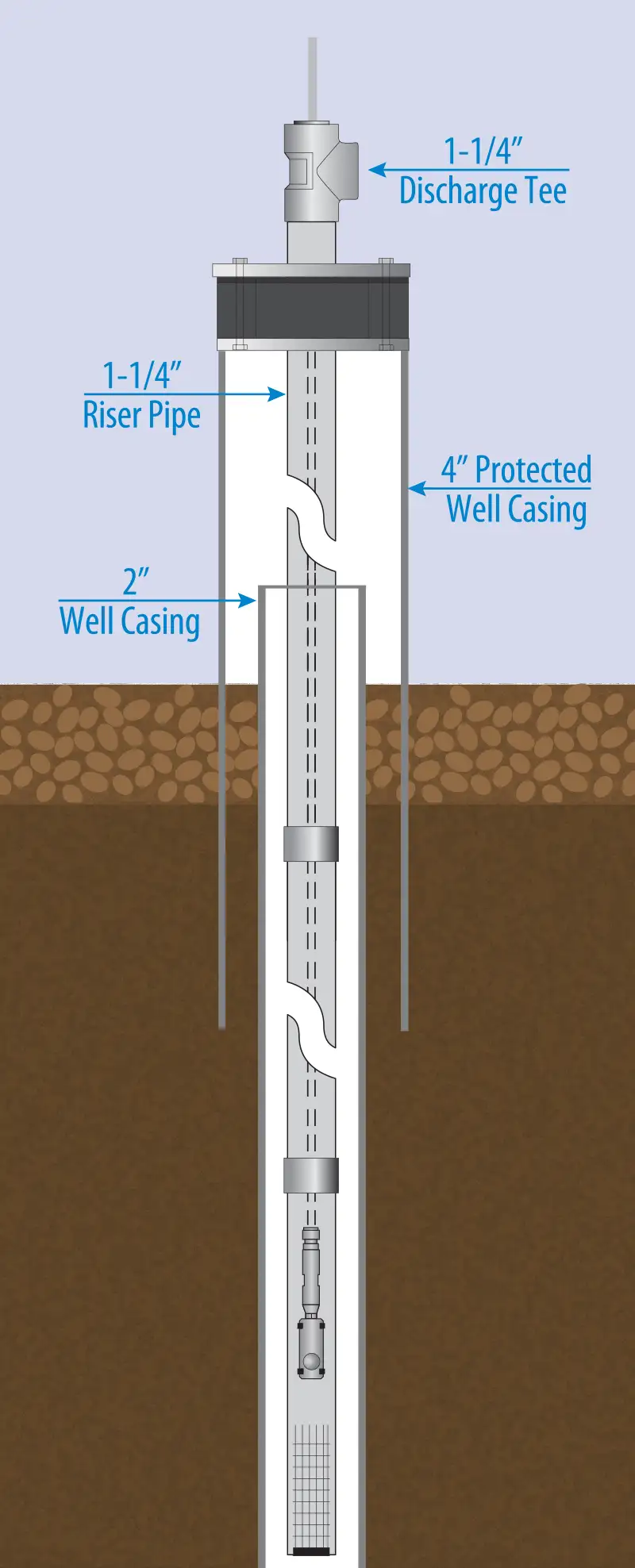
downhole thickness illustration

WHERE SAMPLING FALLS SHORT

Groundwater sampling demands precision, consistency, and minimal disturbance. For years, bladder pumps have been a standard solution because they isolate drive gas from the sample, helping reduce aeration and turbulence.

However, as sampling conditions become more complex, especially in deeper wells, traditional systems can introduce new challenges.

At groundwater monitoring sites across the U.S., operators relied on bailers and bladder pumps to collect samples. While widely used, these methods often introduced inconsistencies in both performance and sample integrity.

Bladder pumps rely on flexible internal components that can wear over time. As those components degrade or fail, compressed air can be introduced into the well, contaminating samples and requiring rework.

In practice, this meant:

  • Frequent bladder failures and replacements
  • Inconsistent flow rates
  • Limited depth capability
  • Increased maintenance and downtime

These issues often led to contaminated groundwater samples and the need to repeat sampling events, impacting both efficiency and data reliability.
Groundwater sampling demands precision, consistency, and minimal disturbance. For years, bladder pumps have been a standard solution because they isolate drive gas from the sample, helping reduce aeration and turbulence.

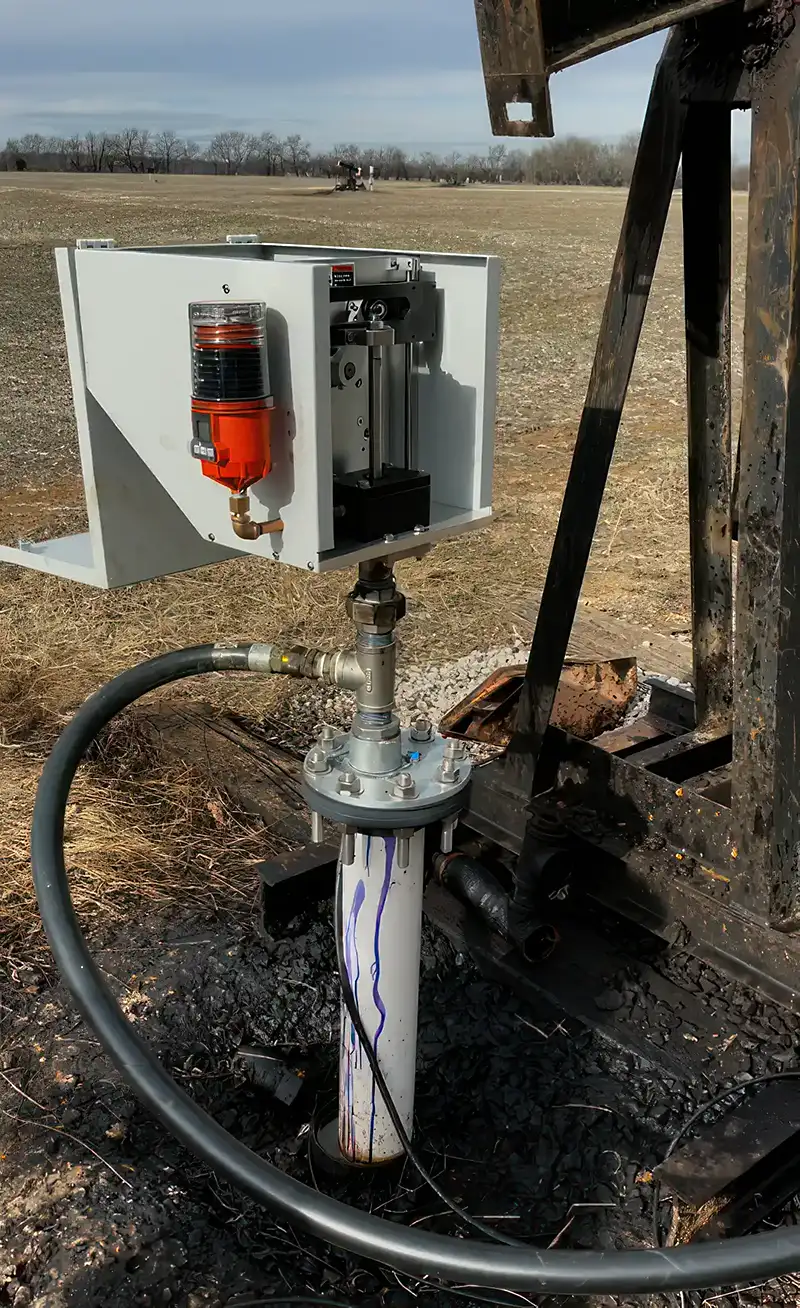
Apollo Shallow Oil Pumper Improves Shallow Well Performance

shallow oil well recovery

Challenge

As production declined in a shallow oil well pumping at approximately 360 feet, an older jack pump became increasingly difficult to operate efficiently. Being a marginal producer, this aging system was performing too aggressively and exceeded what the low volume well could normally support. As a result, this excessive action disrupted the oil/water mixture and contributed to surface overflow and localized field damage.

Operators needed a more efficient pumping solution capable of performing at a slow, steady rate to recover oil, minimizing water disturbance and preventing additional surface issues and environmental damage.

As production declined in a shallow oil well pumping at approximately 360 feet, an older jack pump became increasingly difficult to operate efficiently. Being a marginal producer, this aging system was performing too aggressively and exceeded what the low volume well could normally support. As a result, this excessive action disrupted the oil/water mixture and contributed to surface overflow and localized field damage.