Parts of a Whole
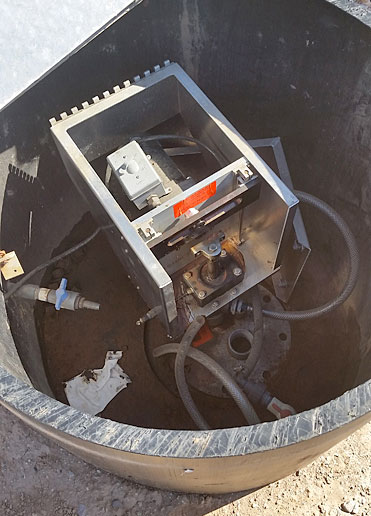
The Apollo dewatering pumps replaced electric submersibles that suffered in the region's punishing heat and are part of a system of wells, monitors, and pipes that control the decomposing trash's methane, which is vented and burned inside an enclosed flare system at the park's east end.
The city is required to maintain the site through 2035 and monitor gas production and migration, liquid seepage, and any groundwater impact.
Natural Solutions
The encased boulders help control erosion during infrequent but often intense rainstorms; decomposed granite stones and desert plants add utility and beauty.
In many cases, building materials used on the site, such as crushed concrete, asphalt, and tires, were recycled from other construction projects instead of being sent to another landfill.
Where the Pumps Come In
The Apollos are mounted vertically in eight-foot-deep sumps, which pump to a holding tank 1,000 yards away.
Maintenance has been minimal. The motor brushes needed replacement after two years, running roughly half days, and the city's site supervisor removed the Apollo hoods to allow easier motor access in the caisson.
The site is happy with the pumps, and two more Apollos are planned to replace electrics installed in 160-foot horizontal leachate sumps.